28-year-old from Ozone Park, Queens among US soldiers killed in missile attack

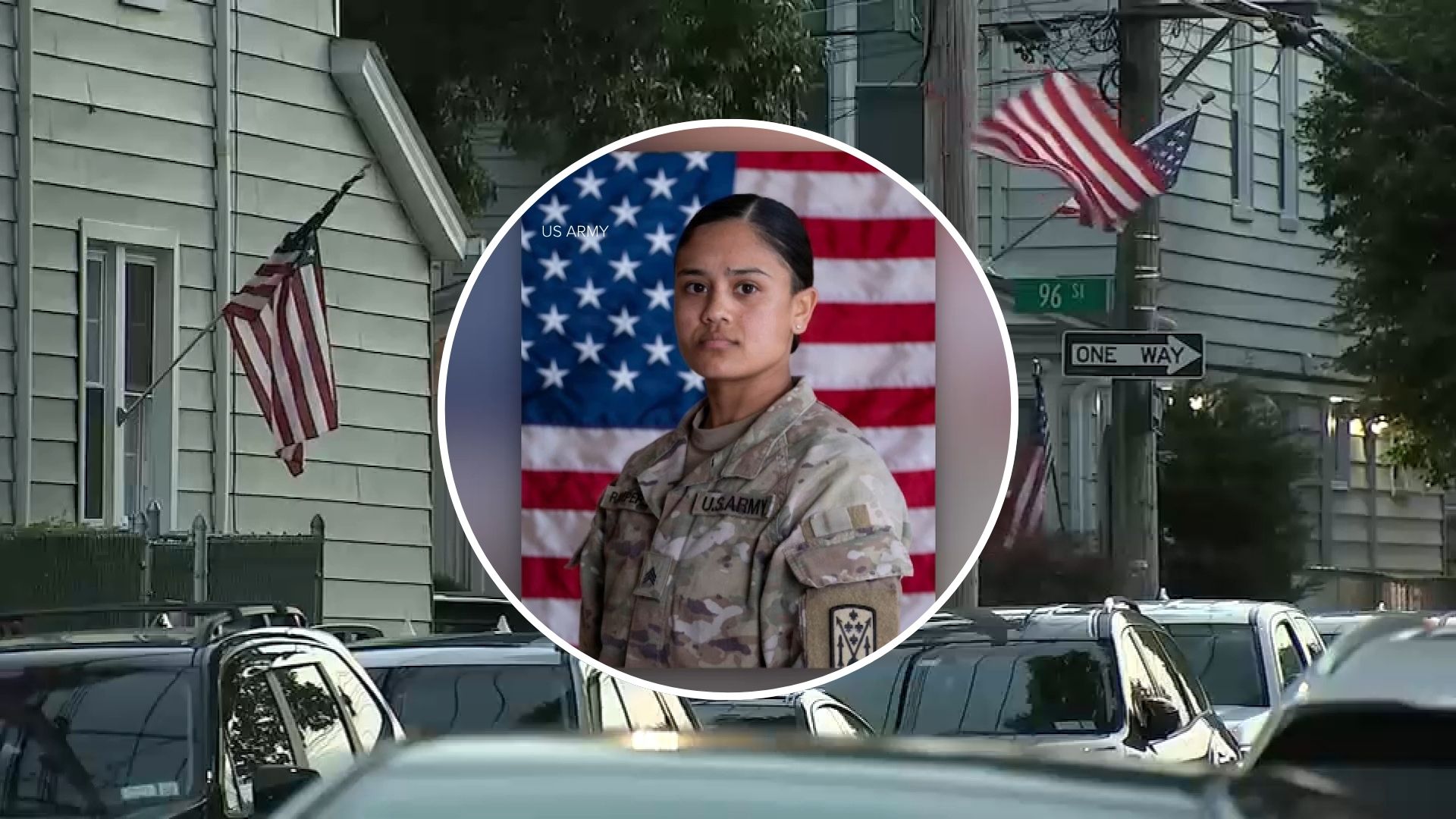
OZONE PARK, Queens (WABC) -- Sgt. Angel Rampersad, from Ozone Park, Queens, is believed to be among the U.S. soldiers killed in an Iranian missile attack on a U.S. base in Jordan.
The Army released a statement that said the 28-year-old is believed to have been killed in action on July 17 during an enemy attack at Muwaffaq Salti Air Base.
Rampersad was previously identified as missing.
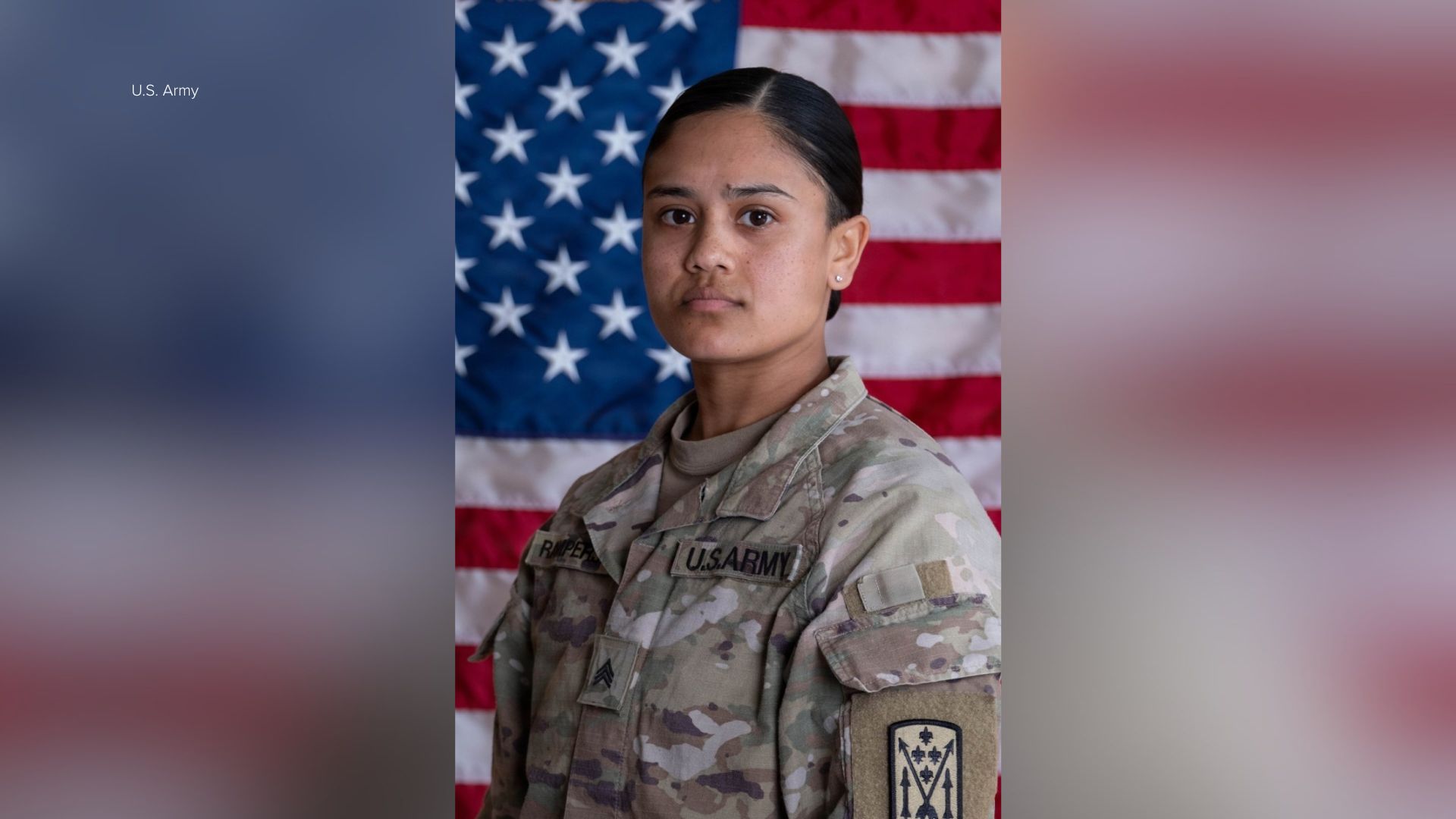
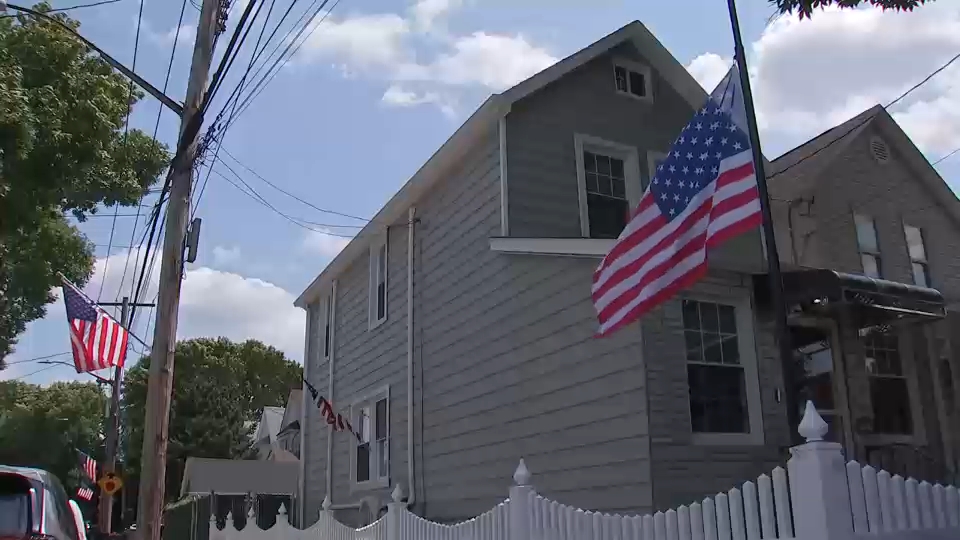
Ahead of her dignified transfer, neighbors put up a flag on her 96th Street block in Ozone Park, Queens.
There, a family friend read a statement from her mother, Carol Acevedo:
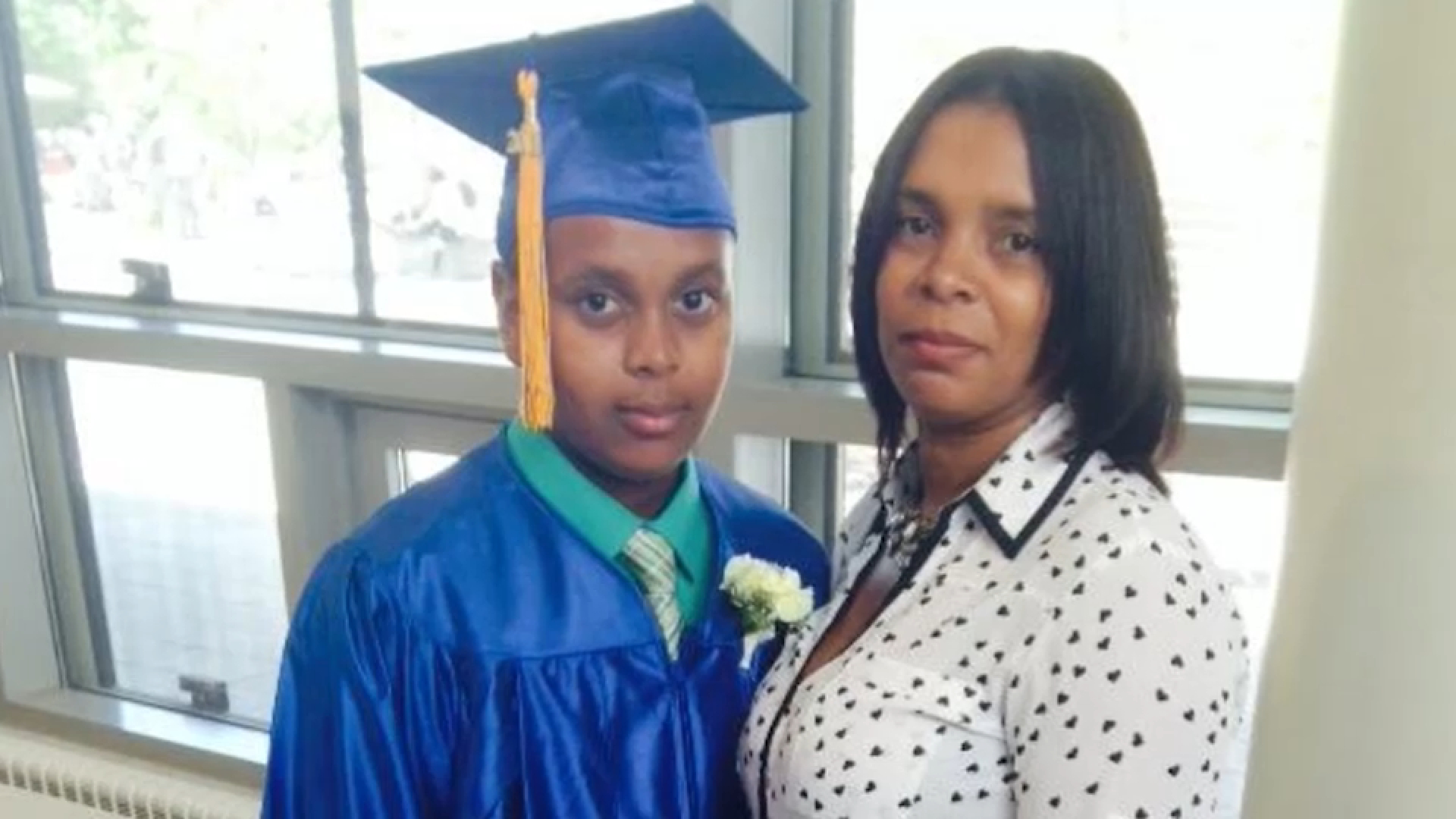
"Our beloved Sgt Angel Sarah Rampersad was a gentle giant, she was involved in her church at an early age, playing the drums, and winning every track race among her peers. She stood up for those who could not fight for themselves -- a defender, a friend, she loved her family fiercely and will live on in the hearts of everyone she touched."
Neighbors were devastated to hear the news. After the military updated her status to whereabouts unknown likely deceased, the Ozone Park community came together.
"The neighbors came and knocked on the door the other night, the first thing they asked everybody to do was leave their porch lights on until she comes home," a neighbor said. " And then, slowly but surely, everybody went out and started getting some flags as a sign of solidarity that the family is not alone."
New York City Mayor Zohran Mamdani released a statement on Wednesday that said Rampersad's courage and sacrifice will not be forgotten.
"Sgt. Rampersad's courage and sacrifice will be remembered not just in Queens, but across all five boroughs," Mamdani said. "My deepest condolences are with her family, loved ones, and all those grieving this profound loss. For so many New Yorkers, wars overseas are never distant-they are felt here at home. The sacrifices made by service members and their families are a constant reminder of this. We are forever grateful for their service and will work every day to honor it."
Rampersad was assigned to 1st Battalion, 57th Air Defense Artillery Regiment, 52d Air Defense Artillery Brigade, 10th Army Air and Missile Defense Command in Ansbach, Germany. She served as a 25U Signal Operations Support Specialist.
The Army says she enlisted in March 2019, and earned the Army Commendation Medal, the Army Achievement Medal with two Oak Leaf Clusters, the Army Good Conduct Medal, the National Defense Service Medal, and the Army Service Ribbon.
The rising casualties show Iran maintains the ability to strike U.S. bases and inflict significant damage, despite repeated assertions by President Donald Trump and Defense Secretary Pete Hegseth that Tehran's military had been effectively destroyed. Hegseth declared the campaign a "historic and overwhelming victory" during an April press conference.
President Trump on Wednesday honored the lives of Rampersad and the other three U.S. service members who were killed in the Middle East and returned to their families at an air force base in Delaware.
The president saluted as four transfer cases carrying the service members' remains were escorted off an airplane during the dignified transfer at Dover Air Force Base.
The ritual is one of the most somber duties of a commander in chief. It was the third Trump has attended since he launched the war in Iran in February.
The four fallen soldiers are among 18 Americans lost since this war began almost five months ago. A war that's left a deep loss in Ozone Park.
"You see someone so courageous and dedicated to the country that they love and it's important to look within and find some of that in yourself," said Ozone Park resident Nick Tomeo.
A loved one in the Rampersad family described Angel as an "awesome person," someone who was self-taught in many ways, and who had a deep patriotism imbedded within her for as long as anyone can remember.
(The Associated Press contributed to this report.)
----------
* Download the abc7NY app for breaking news alerts
* Download our connected TV app
Submit a tip or story idea to Eyewitness News
Have a breaking news tip or an idea for a story we should cover? Send it to Eyewitness News using the form below. If attaching a video or photo, terms of use apply.