Jul 02, 2026, 6:00 PM GMT
Live
Severe storms impacting July 4th fireworks, festivities on final day of extreme heat
An extreme heat warning is in effect through Saturday for much of the Tri-State area

Last updated: Sunday, July 5, 2026 1:08AM GMT

NEW YORK (WABC) -- Strong evening thunderstorms could wreak havoc on July 4th fireworks celebrations across the Tri-State area on the final day of a dangerous heat wave.
A Severe Thunderstorm Warning has been issued for portions New York City, the Hudson Valley, and northern New Jersey. A Severe Thunderstorm Watch is also in effect for New York City, New Jersey and portions of the Hudson Valley. Any storm has the potential to produce damaging winds, downpours and even some hail.
The timing of the storms could coincide just as fireworks kick off across the region, including New York City, which could see storms move in during the 9 p.m. and 10 p.m. hour.
The Macy's Fourth July Fireworks start time was moved up from 9:25 p.m. 9:02 p.m. as a result of the incoming storms.
The silver lining is that the storms will finally break the four-day heat wave, as temperatures fall back into the 80s on Sunday with a chance for showers developing later in the day.
More widespread showers and thunderstorms are expected Sunday night into Monday, bringing the most significant relief from the oppressive heat and humidity.
Anyone heading outdoors for holiday festivities should stay hydrated, monitor air quality conditions, and keep an eye on the weather later Saturday as storms may become heavy and dangerous in some locations.
Stick with Eyewitness News for the latest forecast and weather alerts.

Key Headlines
- Jun 29, 2026, 6:22 PM GMT
- Jun 29, 2026, 6:22 PM GMT
Here's how the news is developing.
Jul 02, 2026, 5:54 PM GMT
Con Edison reduces voltage in Westchester, Bronx and City Island
Another Con Edison voltage reduction is in place on Thursday afternoon as temperatures rise. The area includes southeast Westchester, northeast Bronx and City Island.
Con Edison is asking customers in certain areas of Yonkers, Pelham, Mount Vernon, Bronxville, Eastchester, New Rochelle and the town of Mamaroneck in Westchester, and in certain areas of the Northeast Bronx and City Island, to conserve energy while crews repair equipment.
Con Ed previously asked areas in the northwest section of the Bronx and the northern tip of Manhattan to conserve energy,
Con Edison has reduced voltage in the area by 8% to protect equipment and maintain service as crews make repairs.
Jul 02, 2026, 5:38 PM GMT
Temperature approaching 100 degrees in Central Park
Jul 02, 2026, 5:22 PM GMT
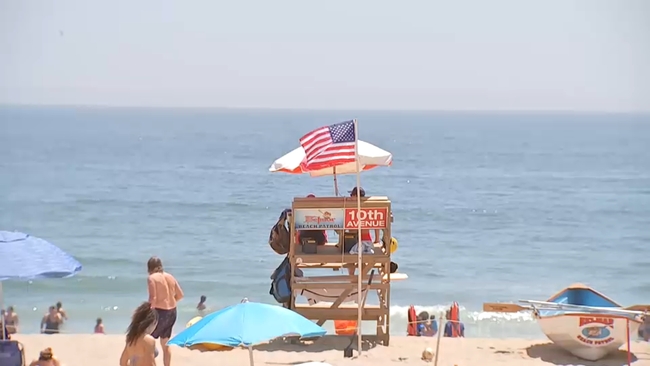
New Jersey residents flock to beaches to escape extreme heat