
Busiest US commuter rail system resumes operations as deal reached to end strike
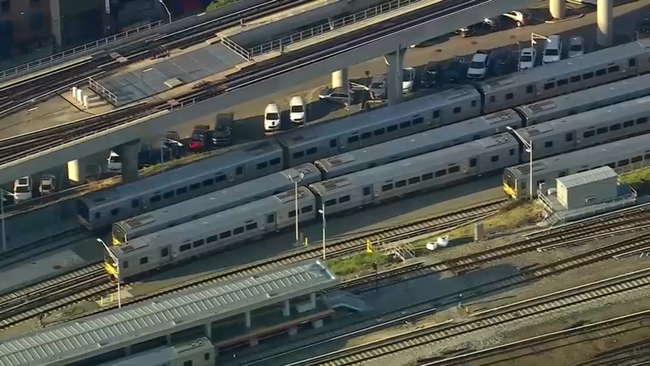
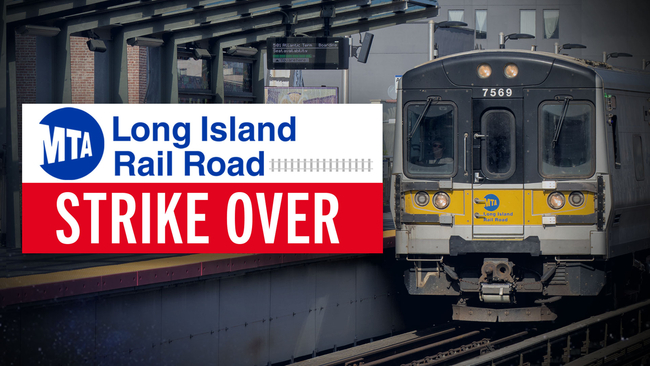
Trains are rolling again on the Long Island Rail Road after a deal was reached to end a strike that had shut down the busiest commuter rail system in the country.
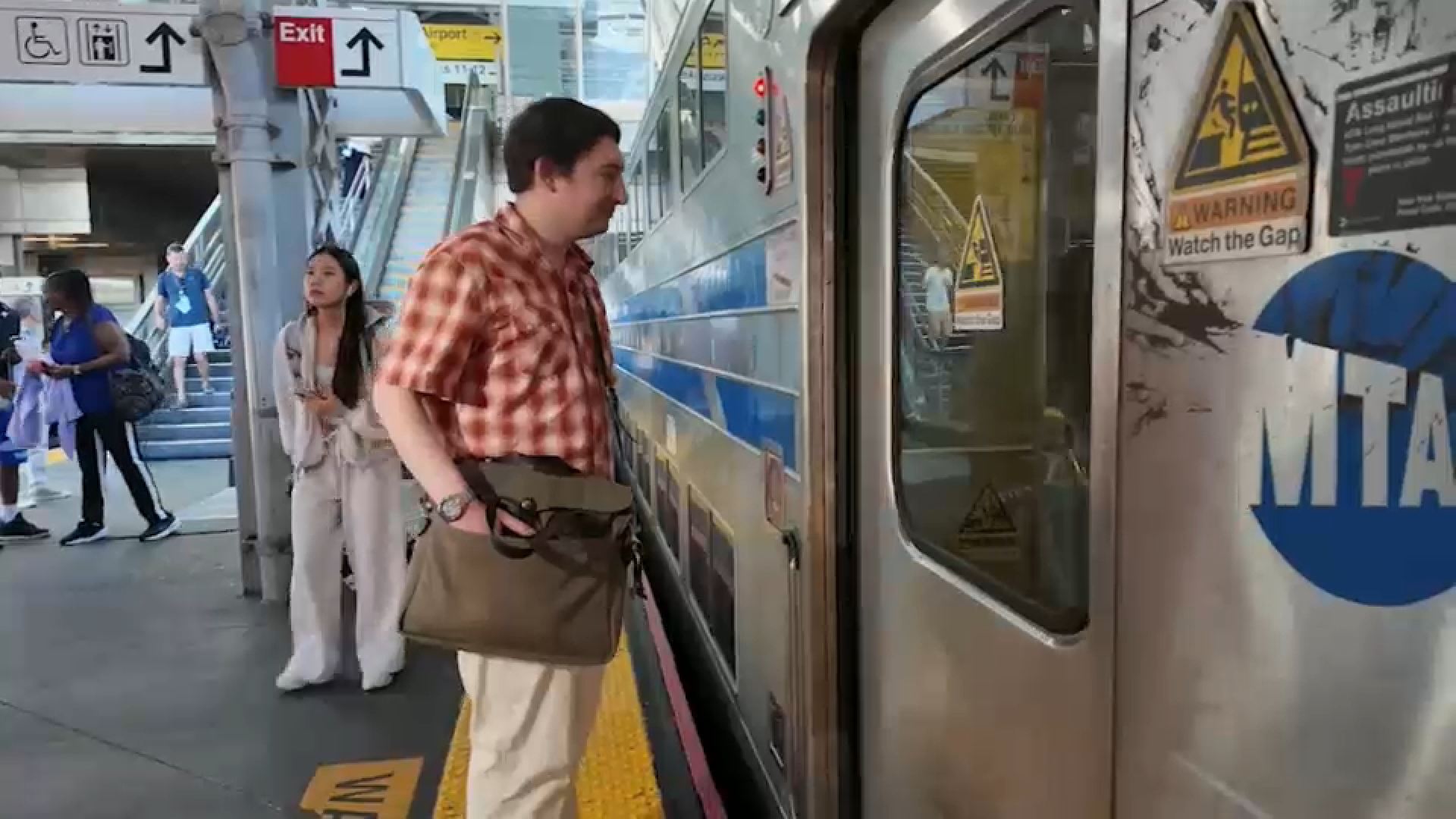
The first trains departed from Manhattan's Penn Station and Grand Central Terminal heading east toward Long Island shortly after noon on Tuesday. Trains were also scheduled to depart from other stations on the four main branches of the system after that time, with full service expected to be back across all branches at 4 p.m. in time for the evening rush.
"It was a difficult circumstance, but I'm very happy and I'm very pleased that we're back in business," said Robert Free, president of the LIRR, shortly before the first trains departed. "We're back to doing what we do best, and that's providing service, and keeping this region moving."
Labor union leaders, meanwhile, began briefing rank-and-file members about the contract terms, said Jamie Horwitz, a spokesperson for the five unions. Voting was expected to take place over the coming days according to each union's contract ratification process.
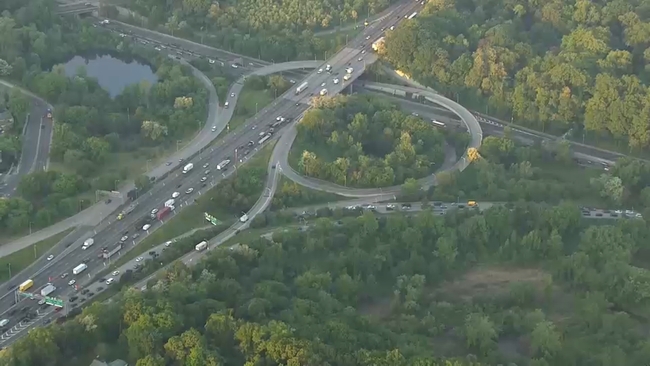
Commuters in the eastern suburbs of New York City, meanwhile, muddled through another tough morning rush hour. Trains weren't ready for service in time for the commute into work as the agreement was reached late Monday.
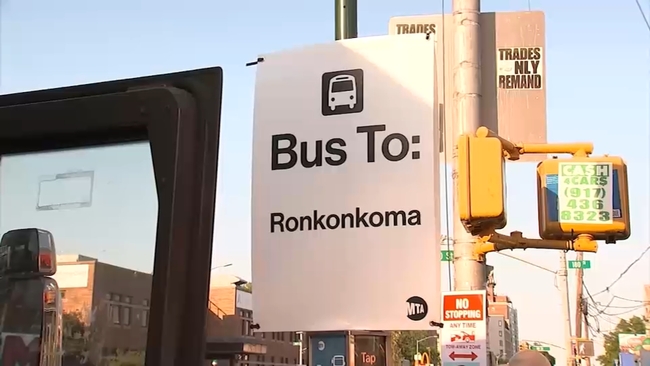
The LIRR still urged riders to work from home again Tuesday if possible. Shuttle buses were offered from a handful of locations on Long Island to subway stations in New York City.