Harlem family shares journey with rare SATB2 syndrome diagnosis
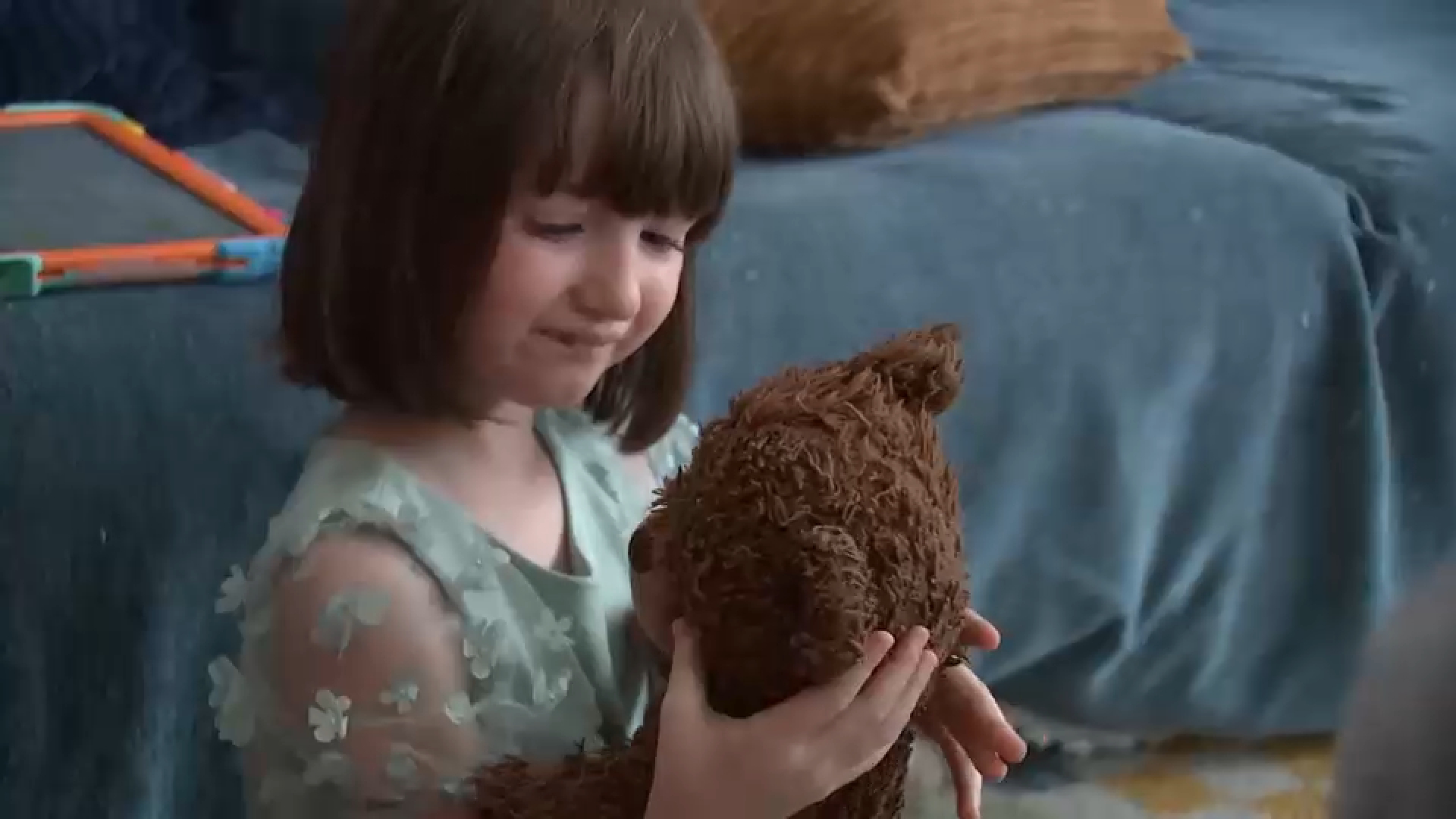


HARLEM, Manhattan (WABC) -- A Harlem family is sharing its experience raising a child with SATB2-associated syndrome, a rare neurodevelopmental disorder, in hopes of helping other families facing a similar diagnosis and encouraging early intervention.
Yoni Revah and Lauren Witter say their 5-year-old daughter, Josephine, enjoys many of the same things as other children her age, including tea parties, fashion and playing dress-up.
"Tea parties, fashion, she loves getting doing dress up," Witter said.
Josephine has SATB2-associated syndrome, also known as SAS, a condition caused by a change in the SATB2 gene. According to the SATB2 Gene Foundation, the disorder can lead to challenges including low bone density, palate abnormalities, developmental delays and, in many cases, an inability to speak.
Instead of speaking, Josephine communicates through sign language and a tablet.
Witter said the family felt overwhelmed when they first learned of the diagnosis.
"When we first found, we were felt very lost and we both have science background. So we just delved in and read the primary research and kind of quickly became as close to experts as we could," she said.
The family received the diagnosis when Josephine was 2 years old.
"We got the call from the genetic counselor when she was two years old, and they said she would never talk," Witter said.
"They told us what the gene was. But I don't think they knew that much about it when they told us," Revah said.
Advocates say more research is needed. According to the SATB2 Gene Foundation, there are fewer than 1,000 officially diagnosed cases across 50 countries. However, Susan Comparato, the foundation's executive director, said experts believe many more cases remain undiagnosed.
"1 in 30,000 individuals has SAS," Comparato said.
Comparato said her own son, Michael, was not diagnosed until he was 15 years old.
"I think it was more finally an answer. Right. Because he had had these challenges and we were doing our best to work with his symptoms, give him the greatest quality of life," she said.
The foundation works to support research into the disorder and provide resources for affected families. Comparato said the condition is not typically passed down from a parent.
Witter said long-term support is critical for people living with SATB2-associated syndrome.
"I'd say all of our SATB2 kids need support their whole lives. They're not living independent lives. They're going to need help. Navigating where they live, the activities of daily function," she said.
The Revah family is encouraging parents with concerns about their child's development to seek genetic testing and early intervention services.
"Early intervention is essential. There are so many types of therapy, whether that be physical or occupational therapy, speech therapy, feeding therapy that can have an enormous impact on your child," Witter said.


The family hopes that by sharing Josephine's story, more families will recognize potential developmental concerns, pursue testing when appropriate and connect with available support resources. For more information about SATB2-associated syndrome and the SATB2 Gene Foundation, visit satb2gene.org.
----------
* Get Eyewitness News Delivered
* Download the abc7NY app for breaking news alerts
Submit a tip or story idea to Eyewitness News
Have a breaking news tip or an idea for a story we should cover? Send it to Eyewitness News using the form below. If attaching a video or photo, terms of use apply.