New York City details Ebola training plans for first responders


NEW YORK (WABC) -- New York City is stepping up its Ebola preparations this week, and top city health officials briefed key union leaders on new training plans for the city's first responders.
City officials met with the leadership of the Municipal Labor Committee, an umbrella group that represents more than 300,000 public employees, on Monday to review the city's strategy with battling any Ebola cases.
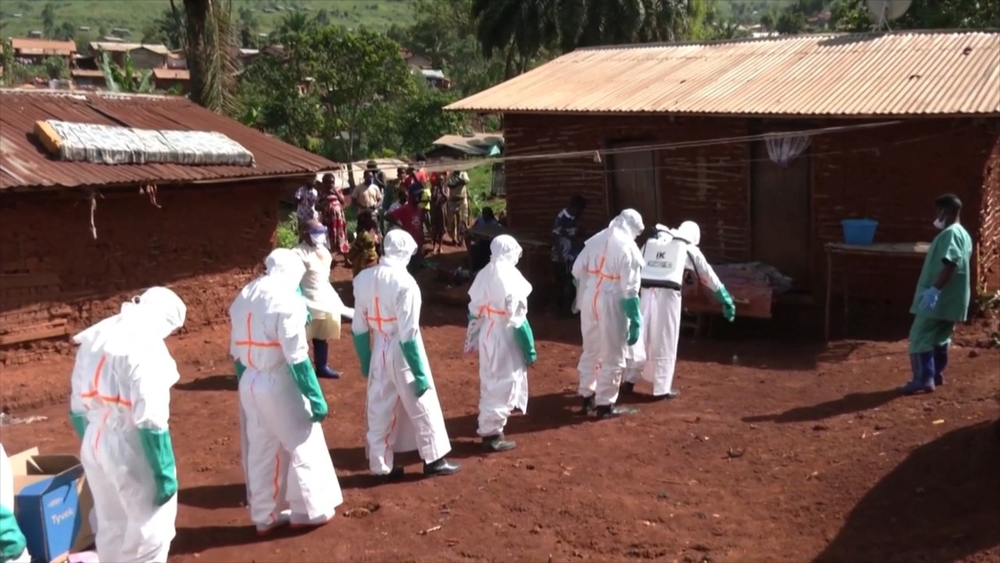
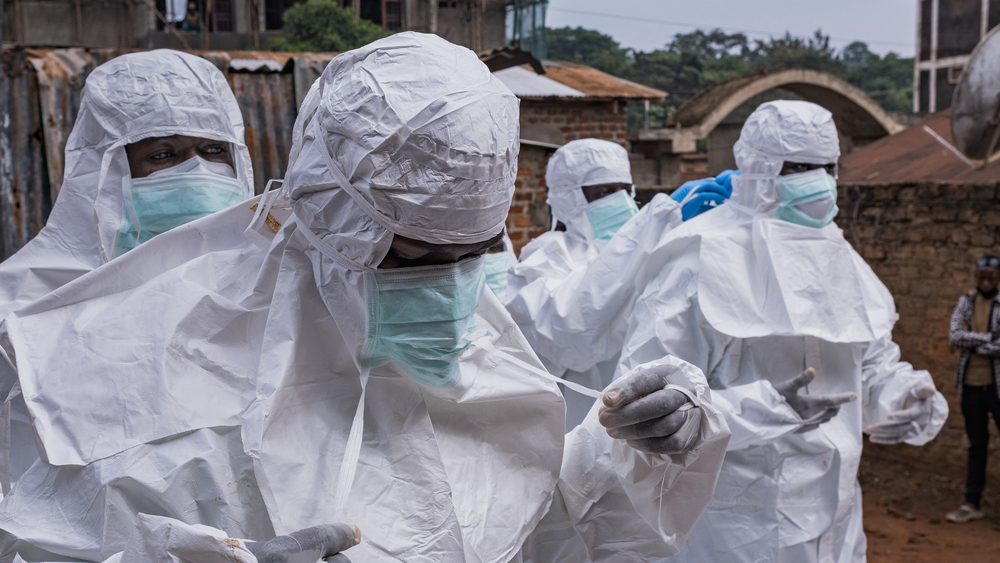
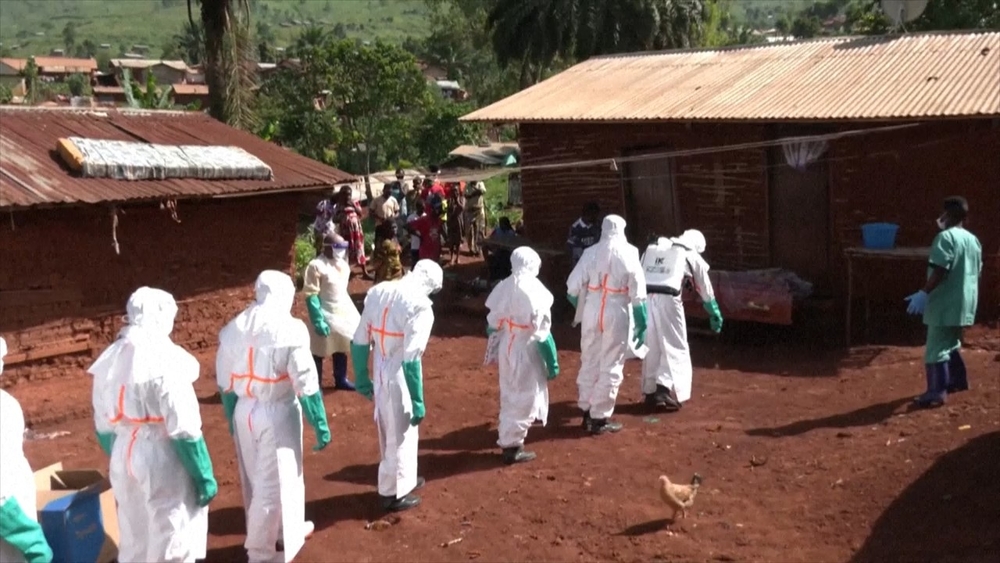
The city will offer specialized training on how to handle potential cases to the city workers who could be at the front lines if the deadly disease were found in the country's largest city.
When the Ebola crisis hit Dallas, lots of nurses and ambulance workers across the country complained that they weren't ready, that they didn't know enough about the disease. But it was a different story at the meeting Monday, with officials saying the city is indeed ready.
"I think there's been a lot of planning that's been done," NYPD Captain Roy Richter said. "It's a real threat."
There were many questions, with sanitation workers asking how long the virus lives and if it's something they should worry about.
"I didn't know as far as the body fluids," said Harry Nespoli, of the sanitation union. "I didn't know it stays alive for only two hours."
And teachers wondered what happens if a child becomes sick in class? Should they worry? The answer is no, unless they've traveled to or had contact with someone from West Africa.
"It's flu season," emergency commissioner Joseph Esposito said. "You're going to get a lot of people with fevers and symptoms very similar to Ebola, but the main thing is notify your supervisor, isolate that person, call 911."
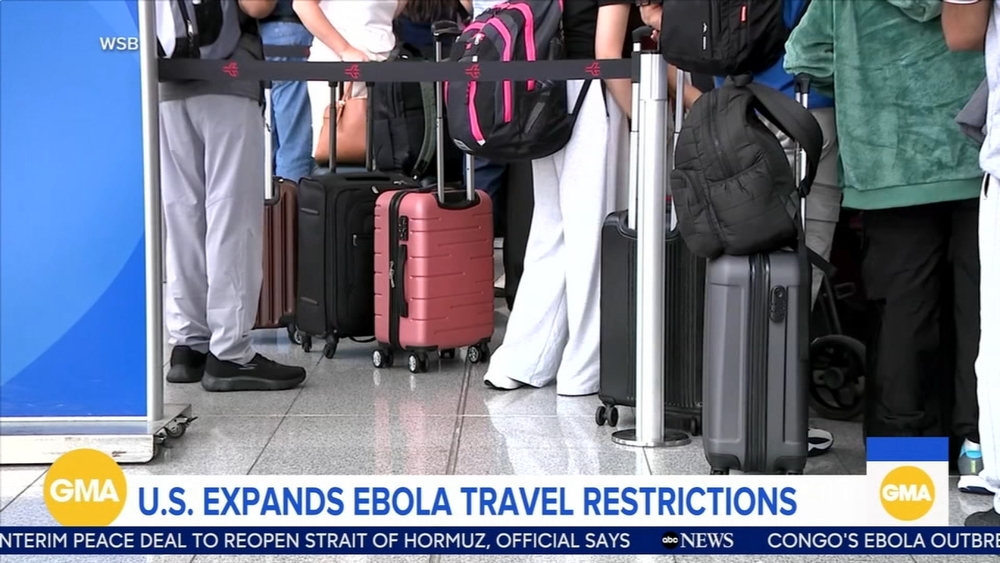
Top city officials stressed that New York City has prepped for months now, designating Bellevue as several other hospitals as Ebola treatment centers. Also, extra screening began more than a week ago at the airports that handle most West African travelers.
And all that has helped city union officials feel confident and safe.
"I don't think we have had any cases in New York, so I don't think we have to get panicked about it," union member Lillian Roberts said.
Firefighters, police officers, emergency medical technicians, nurses and hospital staffers who would likely be the first responders in an Ebola case were in attendance.
"These are the people who will be in harm's way," Harry Nespoli, head of the Municipal Labor Committee, said Sunday. "Let's hope to God we never have to deal with it, but what this city is doing is preparing for the worst just in case."
Ebola is spread through contact with bodily fluids of an infected person. Someone who is infected does not become contagious until they show symptoms.
Two nurses who treated a man who died of Ebola in Dallas have been diagnosed with the virus. There are no other confirmed cases in the United States.
New York City's health commissioner said the city's status as a haven for immigrants and center for international travel could put it at risk.
Nespoli said dozens of workers have expressed concerns over possible exposure. Earlier this month, some airport workers went on strike because they felt they had not received proper safeguards against the disease.
De Blasio administration officials have stressed that it has learned from mistakes made in Dallas.
"We respect the men and women who serve this city every day, and it's our responsibility to protect them," said First Deputy Mayor Anthony Shorris.
Officials are also planning a public service announcement campaign to reassure New Yorkers that the disease is not easily transmittable.