FDNY EMS response times up, employee count and pay low


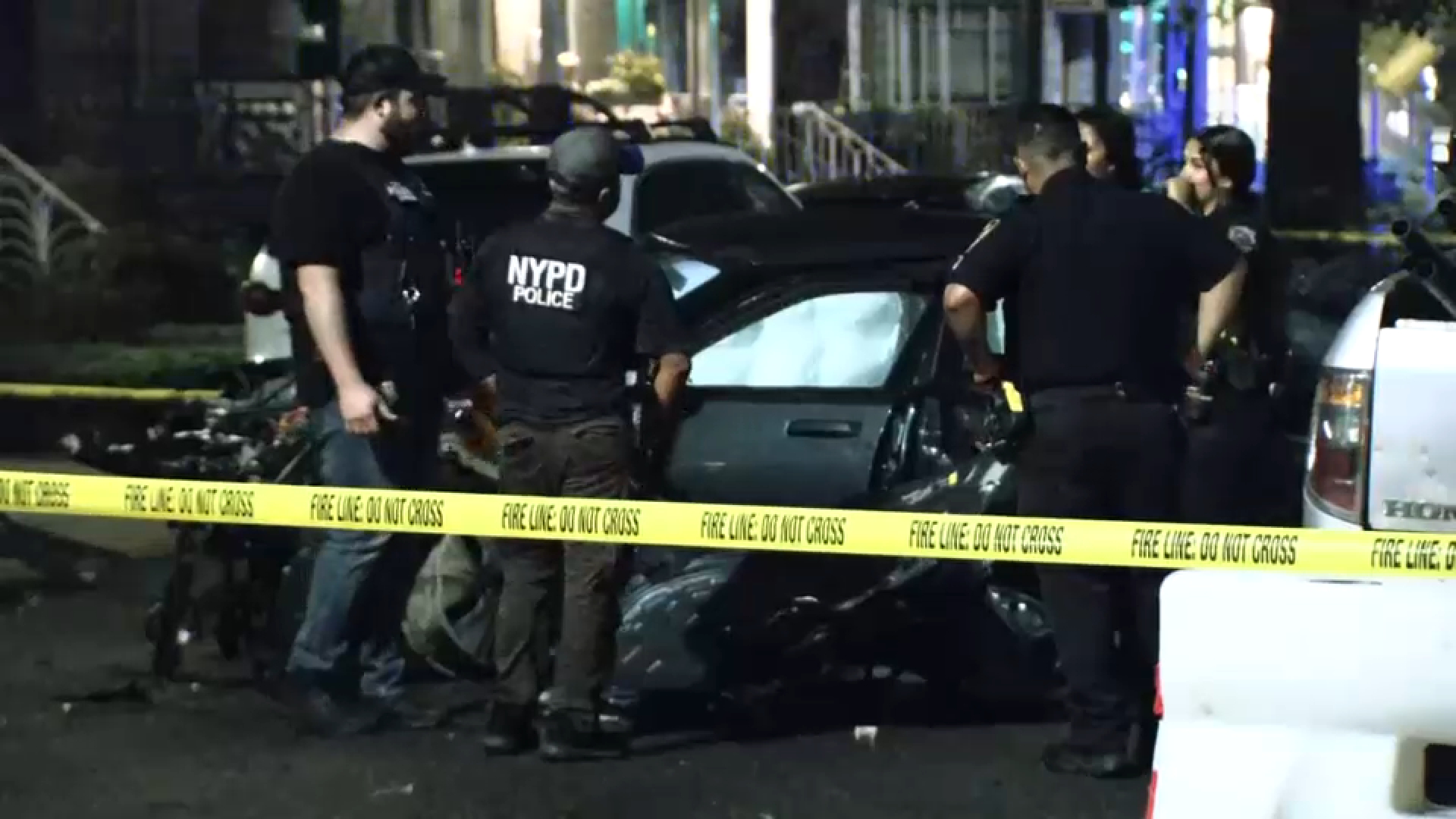
NEW YORK (WABC) -- They're the men and women who show up when you need them most: emergency medical technicians and paramedics.
When it comes to these first responders, the city of New York is facing a problem. A problem created by a dangerous combination. As the number of 911 calls for help is going up, the number of paramedics is going down.
In large part, that's due to how much, or how little, according to multiple Emergency Medical Service workers that spoke with Eyewitness News, they're getting paid.
7 On Your Side Investigates sat down with the head of the Fire Department of New York, who's speaking out about the impact the situation is having on keeping first responders and the challenges of recruiting new ones.
While this isn't a new problem, one covered by ABC 7 for years, the new FDNY commissioner poses a potential opportunity for change, as she has firsthand experience.
Experience like that of former FDNY paramedic, Brian Guerra. For him, there's nothing he'd rather being doing.
"Every day was a new day, a new adventure," said Guerra.
His career with FDNY started in 2016. But after nine years on the job, he says it was time for a change.
"I loved my city, but she didn't love me," he said.
The born and bred New Yorker says he had no other choice but to take his job, and his passion for it, to another state.
"I couldn't afford to stay in the city anymore," Guerra said. "I couldn't continue to work down to the bone and provide for my family."
Guerra isn't alone. Local 2507, the union representing EMTs, paramedics and fire inspectors, says they're losing an average of two EMS workers a day.
New FDNY Commissioner, Lillian Bonsignore, knows this issue better than any commissioner that has come before her.
"We're losing more people than we should," she said.
Bonsignore spent her entire career working EMS at FDNY and was even Chief of EMS during the COVID-19 pandemic.
"I mean, I lived it, you know. I started with the EMS in 1991. I think we were making $17,000 a year or something," she said.
Today, the minimum salary for an EMT is $39,000, just above minimum wage. There's a range of other salaries based on years of service and certification.
To Bonsignore, job pay plays a vital role in solving this problem.
"I think the retention is really going to be connected to the pay," said the commissioner.
When compared to their counterparts, firefighters have a higher starting pay scale and the ability to make much more than them in the long run.
Many of the former EMS workers that spoke with Eyewitness News said that's not fair. It appears Commissioner Bonsignore agrees.
"EMS has a lot of catching up to do and the pay parity is going to be one of those key things to turn this into an actual career path and a destination," she said.
It's the main reason the EMS workers that spoke with Eyewitness News left. Plus, many EMS workers use their position as a steppingstone to become firefighters.
For Guerra, he says all that turnover led to a lack of unity with his FDNY peers.
"I now work in a department where EMS and fire are integrated," he said, referring to his job in Indiana.
"We're the same thing. We're paid the same because the rank doesn't matter. There's no resentment, there's love, there's family," Guerra said.
When EMS merged with the FDNY 30 years ago, former commissioner Thomas Von Essen was in charge. Five years ago, he spoke with 7 On Your Side Investigates.
"It's time to pay up," said Von Essen.
At that time, he said EMS should've already received a raise. He then called it an unfulfilled promise.
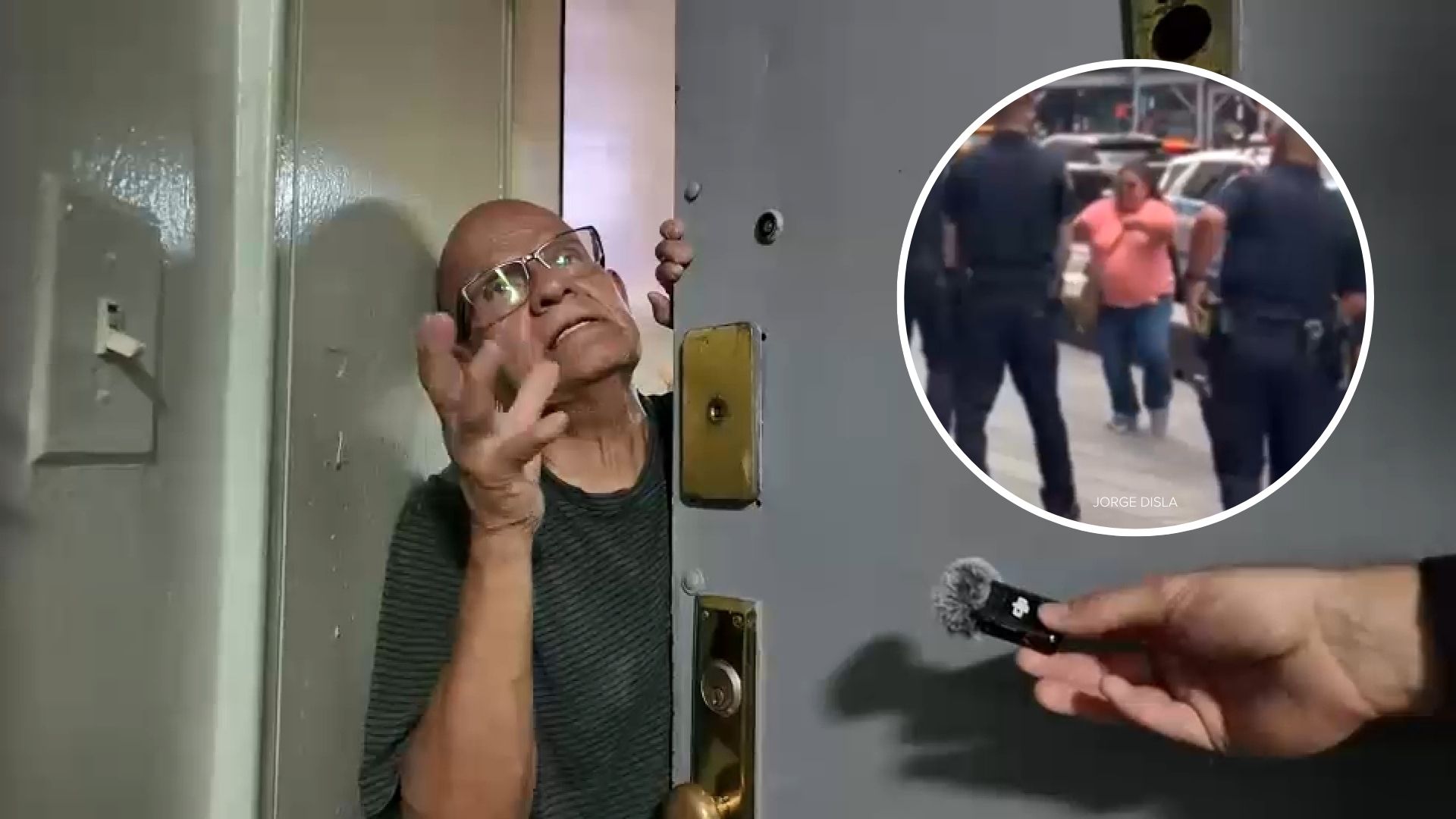

"I'm not even saying they should be brought up to parity," he said in 2021, "But they should start it."
It still hasn't happened. Which raises an obvious question: If everyone agrees EMS workers should be paid more, then why haven't they received a bigger boost?
"I think it's very hard to do. It's very costly. It does cost a lot of money, and as you can see, money is not easy to come by at the local and state levels," Bonsignore said.
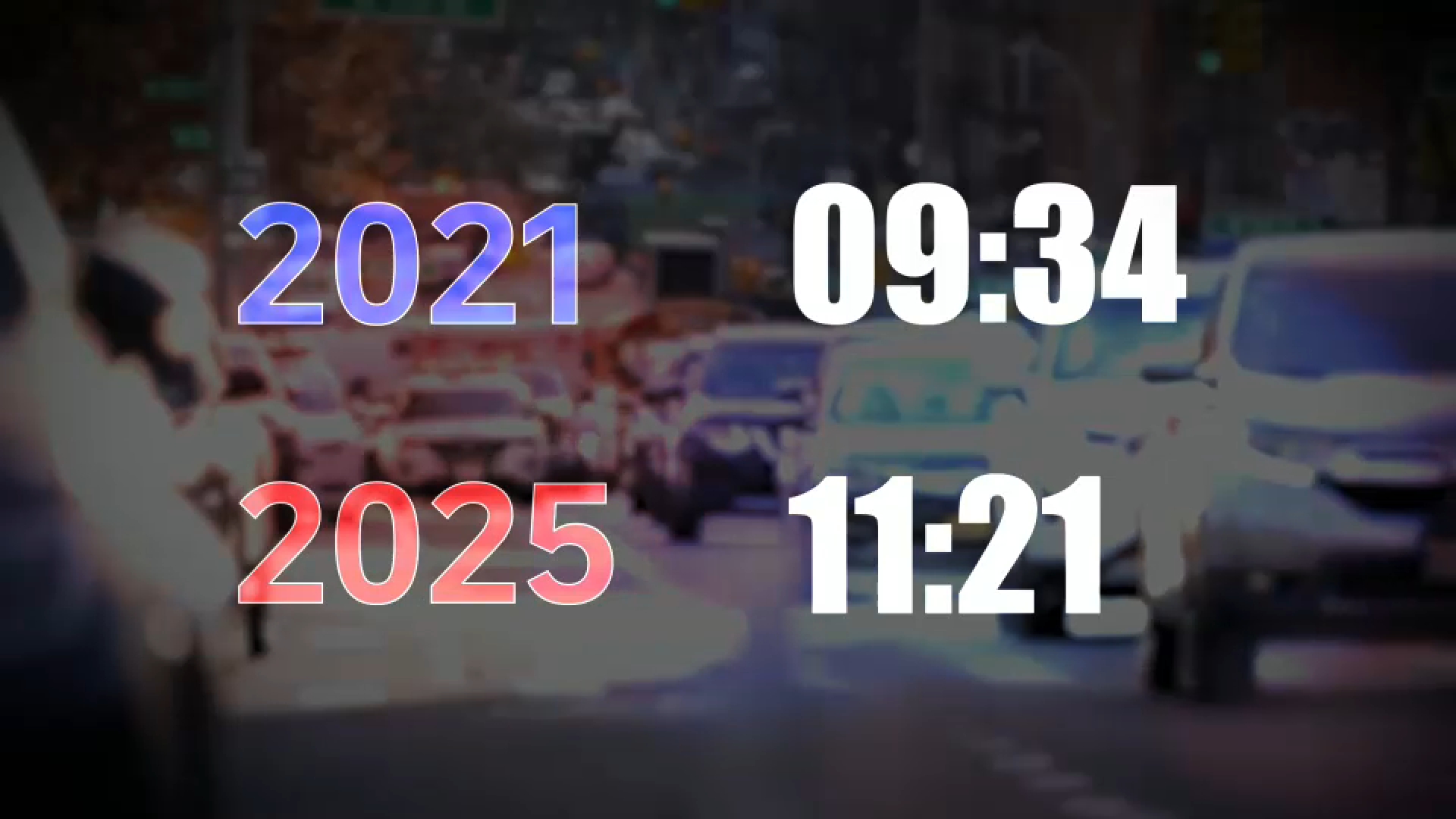
According to New York City's own data, while staffing has gone down, call volume and emergency response times have gone up.
The most recent numbers show that in 2021, it took an average of 9:34 for an ambulance to arrive to a life-threatening medical emergency. In 2025, that response time increased to 11:21.
"The call volume continues to go up, but the staffing continues to go down and the demand continues to go up. All the time, every year, year after year," acknowledged the commissioner. "That kind of equation is a very dangerous equation."
But where should all the money come from? Is it a City Hall issue? Is this a state issue?
"I think it's a combination of people. I think this is going to require a lot of brains from the federal level to the state and local level to fix this issue," said the commissioner.
For Brian Guerra, the job is not only fun; it's important and lifesaving work.
"It was an adventure, something I look fondly back on," he said.
As for FDNY, they're hoping to keep and attract more EMS workers... for life.
"What do you have to say to the EMT or a paramedic who is struggling to make ends meet today, about what their future could be like a few years from now?" asked 7 On Your Side Investigates reporter Dan Krauth.
"I say hang in there, I get it. That you have to support your family and you're looking for the best way to do that. But I'm optimistic about our future and there are people that are alive today that have weddings and birthdays and all of that because you said yes to this job."
The EMS worker's union has been without a contract for four years. It says negotiations stalled last November.
----------
DO YOU NEED A STORY INVESTIGATED? Dan Krauth and the 7 On Your Side Investigates team at Eyewitness News want to hear from you! Call our confidential tip line 1-877-TIP-NEWS (847-6397) or fill out the form BELOW.
You can also contact Dan Krauth directly:
Email your questions, issues, or story ideas to 7OnYourSideDan@abc.com
Facebook: DanKrauthReports
Twitter: @ DanKrauthABC7
Instagram: @DanKrauth